
Indoor air is often more polluted than the air outside. Furniture, paint, cleaning products, cooking and even printer ink release volatile organic compounds (VOCs) such as formaldehyde and benzene, and they build up in closed rooms. Houseplants are one of the simplest, quietest and most pleasant ways to fight back.
The NASA study that started it all
In 1989, NASA scientists looking for ways to keep air clean in sealed spacecraft and buildings put common houseplants into test chambers, added benzene, formaldehyde and trichloroethylene, and measured what happened. The plants pulled substantial amounts of these chemicals out of the air within 24 hours. Plants such as the peace lily, golden pothos, English ivy and snake plant were among the performers1.
It isn't just the leaves: the living soil does the work too
Later research uncovered something the original studies hinted at: much of the cleaning happens below the surface. In experiments in Australia, potted plants removed benzene from the air within about a day once the microorganisms in their potting mix had adapted, and those root-zone microbes did much of the work2. Korean researchers found that both the leaves and the root zone remove formaldehyde3.
That means a potted plant is a small living air filter: the plant, its soil and the microbes in that soil working together.
It works in real buildings
The strongest evidence comes from real offices. In a field study of offices in Sydney, placing potted plants in a room reduced total VOCs by up to 75% in offices where pollution was elevated4. In a Norwegian study of office workers, symptoms such as cough, fatigue, dry throat and dry skin were about 23% lower in the period when plants were in the office than when they weren't5.
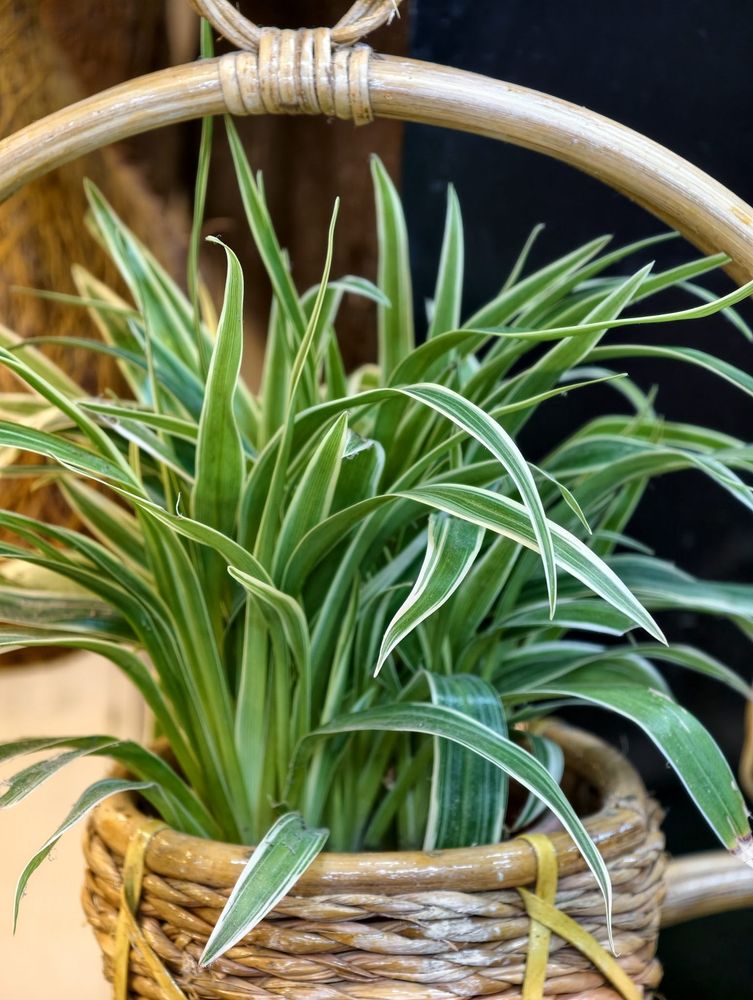
They're good for your mind too
Plants also make people feel better. In a randomized study, young adults who spent 15 minutes repotting a plant had lower blood pressure and calmer nervous-system activity than when they did a computer task, and they reported feeling more comfortable and relaxed6. Reviews of the research link indoor plants to better mood, attention and tolerance for discomfort7.
The best air-purifying plants, and which are safe for pets
These are the plants that top most air-purifying lists. Several were in the NASA study1. If you have cats or dogs, the last column matters most. Pet safety is from the ASPCA's plant database8.
| Plant | Light | Effort | Safe for cats and dogs? |
|---|---|---|---|
| Spider plant | Bright, indirect | Very easy | Yes |
| Boston fern | Bright, indirect; likes humidity | Moderate | Yes |
| Areca palm | Bright, indirect | Moderate | Yes |
| Parlor palm | Low to medium | Easy | Yes |
| Peace lily | Low to medium | Easy | No: mouth and throat irritation |
| Snake plant | Low to bright | Very easy | No: vomiting, diarrhea |
| Golden pothos | Low to medium | Very easy | No: mouth irritation, vomiting |
| English ivy | Medium to bright | Moderate | No: vomiting, diarrhea |
| Dracaena (corn plant) | Medium | Easy | No: vomiting, drooling |
A peace lily isn't a true lily. True lilies and daylilies (Lilium and Hemerocallis species, such as Easter lilies) can cause fatal kidney failure in cats, even from pollen or vase water. Keep them out of homes with cats entirely. If a pet eats a plant and you're worried, call your vet or the ASPCA Animal Poison Control Center at (888) 426-4435.
How to get the most out of your plants
- Grow more than one. The Sydney offices used several plants per room4. Group a few plants in the rooms where you spend the most time, especially bedrooms and home offices.
- Keep the soil alive. Since the root-zone microbes do much of the cleaning2, use good potting mix, don't let it dry out completely, and repot every year or two.
- Give them light. Healthy, actively growing plants work best. Match each plant to the light in its spot (see the table above).
- Dust the leaves. Wipe large leaves with a damp cloth every few weeks so they can breathe.
- Consider a green wall. Fan-assisted "active" green walls pull room air through the plants' roots and soil, cleaning air even faster than potted plants alone9.
- Put plants where pollutants start: near new furniture, in the kitchen, and in rooms that were recently painted.

