
"Seed oils" usually means eight cooking oils pressed or extracted from seeds and grains: canola (rapeseed), corn, cottonseed, grapeseed, rice bran, safflower, soybean and sunflower. They're cheap, neutral-tasting and everywhere: in restaurant fryers, salad dressings, mayonnaise, chips, crackers, baked goods and most packaged food. A century ago, almost nobody ate them. Today they're the main source of added fat in the American diet.
That is one of the largest changes to the human diet in history, and it happened in about a hundred years. The evidence that it has harmed our health comes from many directions: how these oils are made, what their main fat does inside the body, what happens when they're heated, and what happened to people in the trials that tested them.
What's in them: linoleic acid
The defining feature of most seed oils is a high content of linoleic acid, an omega-6 polyunsaturated fat. Your body needs only a small amount of it, but the oils below deliver far more than human diets ever contained before the 20th century. Values are approximate and vary by crop and processing1.
| Oil | Linoleic acid (share of the fat) |
|---|---|
| Safflower (regular) | about 75% |
| Grapeseed | about 70% |
| Sunflower (regular) | about 65% |
| Corn | about 55% |
| Cottonseed | about 50% |
| Soybean | about 50–55% |
| Rice bran | about 33% |
| Canola | about 20% (plus about 10% omega-3) |
| For comparison: olive, avocado | about 10% |
| For comparison: butter, coconut | about 2–3% |
From engine lubricant to the dinner table
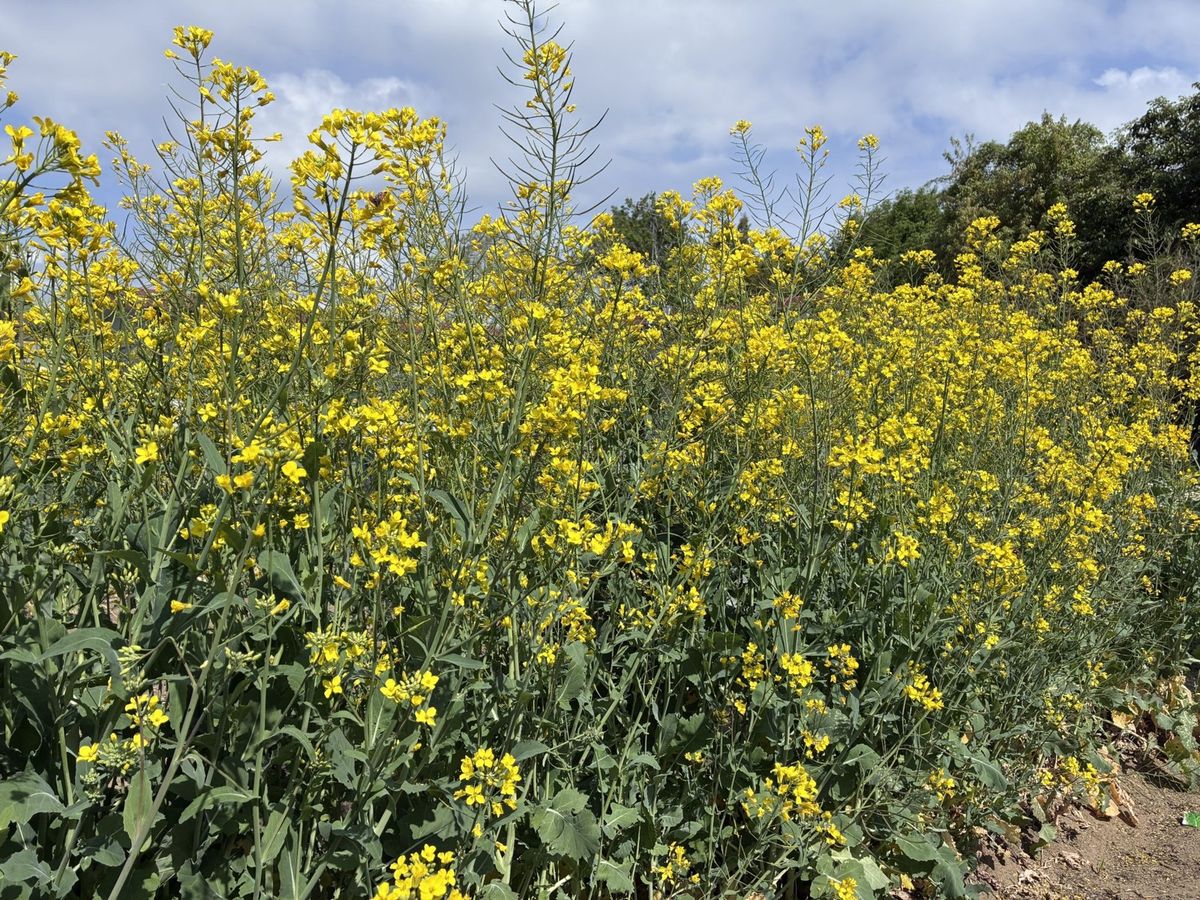
During World War II, Canada began growing rapeseed because its oil made a high-quality lubricant for marine engines2. After the war, demand collapsed. Canadian plant breeders bred varieties low in erucic acid and glucosinolates, compounds that made the original oil unfit to eat, released the first one in 19742, and rebranded it "canola." An industrial crop had found a new market: the human diet.
Cottonseed oil followed a similar path. It was a waste product of cotton ginning until Procter & Gamble turned it into Crisco, a hydrogenated shortening sold from 1911 as a modern replacement for lard. Soybean oil came later and grew fastest. Across the 20th century, the amount of soybean oil Americans ate rose more than 1,000-fold, and linoleic acid went from about 2.8% to about 7.2% of total calories3. Our bodies changed with it: the share of linoleic acid in Americans' body fat rose from about 9% in 1959 to about 21.5% in 20084. Because body fat turns over slowly, these fats stay with us for years.
How they're made
Unlike olive oil, which can be pressed from the fruit, most supermarket seed oils are industrially "RBD": refined, bleached and deodorized5:
- Clean and dehull the seeds
- Flake and cook them to break the cell walls
- Press out part of the oil
- Extract the rest with hexane, a petroleum-derived solvent
- Strip the hexane back out with steam (desolventizing)
- Degum with water or acid
- Neutralize with caustic soda to remove free fatty acids
- Bleach with clay or activated carbon to remove color
- Deodorize with steam at roughly 200–260°C under vacuum to strip out odors and off-flavors
- Winterize (chill and filter) some oils, and sometimes add synthetic antioxidants
Hexane is a known neurotoxin: the EPA identifies nerve damage as its critical health effect6. Residues can remain in the finished oil, which is why the EU sets a legal limit for hexane left in food oils7.
High-heat deodorizing also creates new contaminants. It forms glycidyl esters and 3-MCPD esters, which the European Food Safety Authority has assessed as a health concern. Glycidol, released from glycidyl esters during digestion, damages DNA and causes cancer in animals8. These contaminants are found in refined seed oils, and the EU has had to set legal limits for them.
What linoleic acid does in the body
1. It feeds inflammatory pathways. Linoleic acid is the parent molecule of arachidonic acid, the raw material for prostaglandins, leukotrienes and other inflammatory signaling molecules. Diets now carry many times more omega-6 than omega-3 fat3, a balance that tilts the body toward inflammation.
2. It oxidizes. Polyunsaturated fats have several double bonds, which makes them unstable and easy to oxidize. Linoleic acid breaks down into oxidized metabolites called OXLAMs, which are biologically active and drive inflammation and pain signaling. In a controlled trial, cutting dietary linoleic acid lowered these compounds in people's blood9, showing that what we eat directly sets their levels.
3. It turns toxic when heated. When seed oils are heated hard and reused, as in restaurant fryers, they break down into aldehydes such as acrolein and 4-HNE. The WHO's cancer agency classifies emissions from high-temperature frying as probably carcinogenic to humans10.
4. It accumulates. Because linoleic acid builds up in body fat and cell membranes over years, today's levels are far beyond anything human metabolism evolved with4, leaving tissues loaded with an unstable, easily oxidized fat.
What happened to people who ate more of it
The diet-heart idea that vegetable oils protect the heart was tested in randomized trials, and when the original records were recovered and re-analyzed decades later, the results were damning.
- The Sydney Diet Heart Study: men with heart disease who replaced saturated fat with safflower oil, one of the richest sources of linoleic acid, had a higher risk of death, including death from heart disease, than men who didn't11.
- The Minnesota Coronary Experiment: replacing saturated fat with corn oil lowered cholesterol but did not lower deaths, and the more a participant's cholesterol fell, the higher their risk of death12.
The most dramatic harm from seed oils is already beyond dispute. Partially hydrogenated seed oils, the shortenings and margarines that Crisco pioneered, were a major source of trans fat, which raises heart disease risk13. After decades on the market, the FDA removed them from the food supply starting in 201814. Meanwhile, the cooking fat with the strongest trial evidence of benefit is not a seed oil at all: in the PREDIMED trial, a Mediterranean diet with extra-virgin olive oil cut major cardiovascular events by about 30%15.
The bottom line
The case that seed oils are harmful and drive chronic disease is established, both directly and indirectly. Directly: trials that swapped in seed oils failed to save lives and, in recovered data, increased deaths11,12; their hydrogenated forms caused heart disease13; and heating them produces carcinogenic emissions10. Indirectly: they're made with industrial solvents and high-heat processing that creates DNA-damaging contaminants6,8, their main fat oxidizes into inflammatory compounds9, and they've accumulated in our bodies over the same century that chronic disease has soared3,4.
The American Heart Association and corn oil
The American Heart Association has recommended replacing saturated fat with polyunsaturated vegetable oils for decades, most prominently in a 2017 advisory that credited the swap with about a 30% drop in cardiovascular disease, based largely on trials from the 1950s to 1970s16. The financial ties around that advice are worth knowing:
- 1948: A contest on the radio show Truth or Consequences, sponsored by Procter & Gamble, the maker of Crisco, raised about $1.5 million for the AHA and helped turn it into a national organization17.
- Heart-Check certification: Food companies pay the AHA annual fees, per product, to display its heart-healthy mark18.
- Corn oil's "heart-healthy" label: In 2007, the FDA allowed corn oil to carry a qualified heart-health claim after a petition from the maker of Mazola. Even then, the required wording says the evidence is "very limited and preliminary," and the FDA added that there is "little scientific evidence supporting this claim"19.
That's the same corn oil that, in the Minnesota Coronary Experiment, lowered cholesterol without saving lives12.
What you can do
- Cook with extra-virgin olive oil. It has the best evidence of any cooking fat. Avocado oil works for high heat, and butter, ghee and tallow are traditional alternatives.
- Avoid deep-fried restaurant and fast food. That's where most people get the most seed oil, heated for the longest and reused the most.
- Read labels on packaged food. Soybean and canola oil are in most chips, crackers, dressings and mayonnaise. Cutting ultra-processed food cuts seed oils with it.
- Never reuse frying oil.
- Eat more omega-3s, from fatty fish, walnuts and flaxseed, to restore the balance.

